Laser & Stapler Treatment

PILES TREATMENT IN BANGLADESH

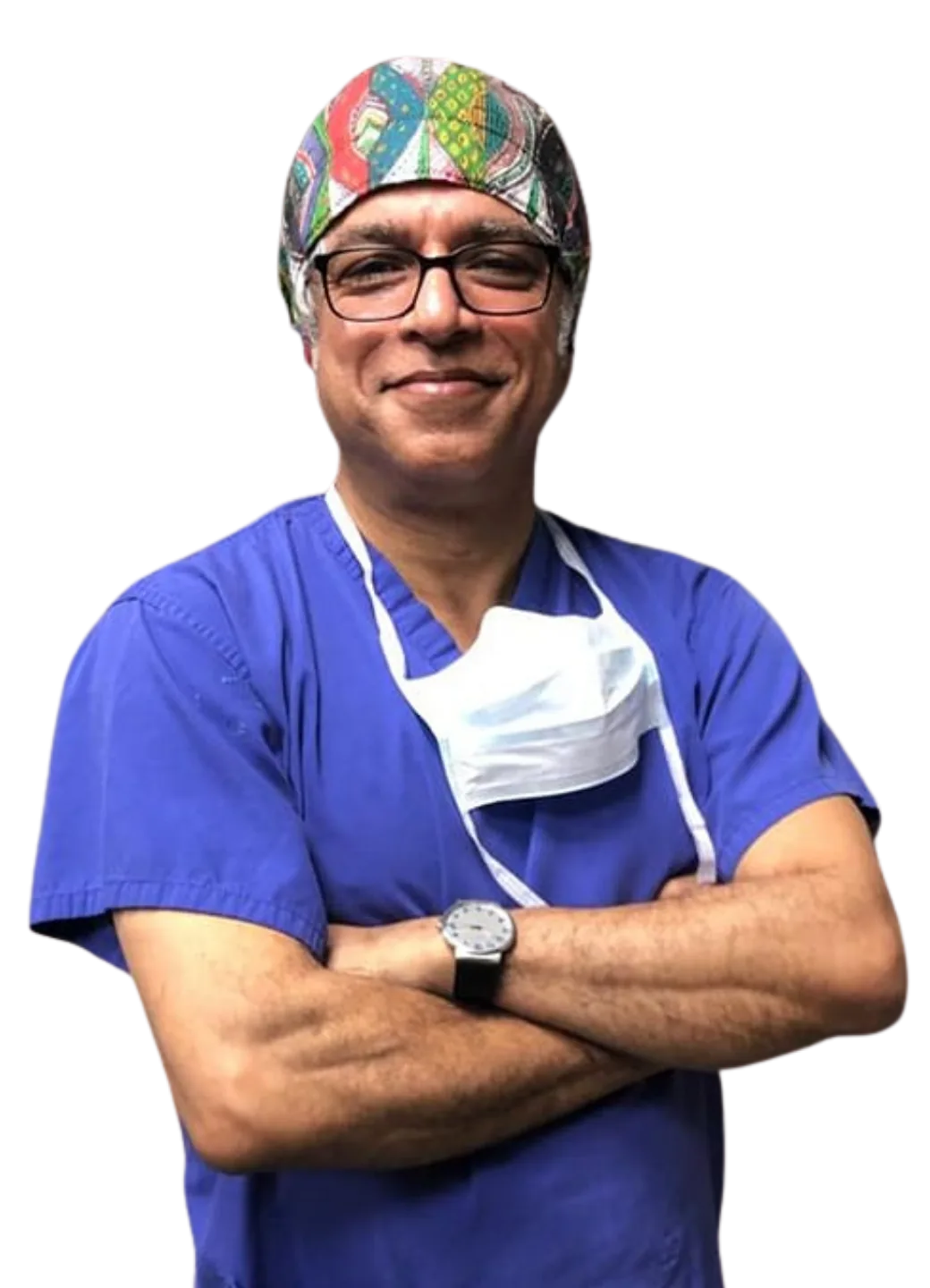
Professor Dr. S.M.G. Kibria

Laser piles & fissure surgery · Discreet care · Same-day discharge

Professor Dr. SMG Kibria — Best Piles Surgeon in Bangladesh
  • FRCS (England)
  • FRCS (Glasgow)
  • FRCS (Edinburgh)
  • FRCS (General)
  • MSc (Leeds)
  • MBBS (DMC)
The Procedure

What Is Piles & Fissure Treatment?

A measured, modern explanation of the most common reasons patients see a colorectal surgeon — and how today's minimally invasive techniques have transformed recovery.

Modern Colorectal Care

Minimally invasive treatment for piles & anal fissures

Piles (haemorrhoids) are swollen blood vessels in the anal canal — a very common condition causing bleeding, itching and discomfort. Anal fissures are small tears that cause sharp pain during bowel movements. Modern laser treatment and stapler hemorrhoidopexy have transformed care — far less pain, no large wounds, and a return to normal life within days.

  • 20–40 mins Day-case procedure
  • Laser No cuts, no stitches
  • Same day Hospital discharge
  • 3–5 days Back to office work
Signs & Symptoms

When You May Need Treatment

Piles and anal fissures are very common — and rarely as serious as they feel. A consultation is recommended when one or more of the following are present.

  • Bright-red bleeding — during or after bowel movements, usually noticed on tissue or in the bowl.
  • Sharp pain on defecation — typical of an anal fissure, often lasting hours after passing stool.
  • Itching or irritation — around the anus, often worse at night or after sitting for long periods.
  • A lump or swelling — felt near the anus, sometimes painful (thrombosed pile).
  • Mucus discharge — soiling underwear after bowel movements; common with grade III–IV piles.
  • Prolapsed tissue — haemorrhoidal tissue that protrudes during defecation; sometimes needs to be pushed back in.
  • Difficulty passing stool — straining, hard stools, or chronic constipation worsening the problem.
  • Symptoms lasting more than 1–2 weeks — or repeated episodes despite over-the-counter creams and lifestyle changes.
Surgical Techniques

Types of Piles & Fissure Treatment Offered

Prof. Kibria selects the most appropriate technique for each patient based on the grade and type of haemorrhoids, severity of fissure, and personal preference.

01

Laser Haemorrhoidoplasty

Modern Standard

A diode laser delivers precise energy that shrinks and seals the internal haemorrhoidal cushions — without cutting, stitching or open wounds. Minimal post-operative pain, rapid recovery, and excellent long-term results for grade II–III piles.

02

Stapler Hemorrhoidopexy (MIPH)

Day Case

A circular stapling device lifts the prolapsed haemorrhoidal tissue and re-fixes it inside the anal canal. No external wounds, less pain than conventional surgery, and excellent for grade III prolapse. Same-day discharge in the majority of cases.

03

Lateral Internal Sphincterotomy

For Fissures

A small day-case operation for chronic anal fissures that releases the internal sphincter spasm responsible for poor healing. Resolves pain within days and heals the fissure in 95%+ of cases.

04

Open Haemorrhoidectomy (Milligan–Morgan)

Severe Cases

The traditional surgical removal of haemorrhoidal tissue, reserved for very advanced grade IV piles, large external components, or recurrence after previous treatments. Most effective for complex cases — with a longer recovery than modern minimally invasive options.

After Your Treatment

Recovery Timeline

Most patients are surprised by how quickly they bounce back after modern piles or fissure treatment. Here's the typical day-by-day timeline for laser or stapler procedures.

Day 0 — Procedure Day

Day-Case Treatment

20–40 minute procedure under short general or spinal anaesthesia. First sitz bath in the afternoon. Light meal that evening. Most patients are discharged the same day with simple painkillers, a stool softener, and clear post-operative advice.

Days 1–3 — Home Recovery

Sitz Baths & High-Fibre Diet

Warm sitz baths 2–3 times a day for comfort. Plenty of water, fruit, and fibre. Mild laxatives if needed to keep stool soft. Most patients are off strong painkillers by day two and walking comfortably.

Days 3–7 — Back to Routine

Return to Office Work

Sedentary office work and driving usually resumed within 3–5 days of laser treatment, and 5–7 days for stapler procedures. Continue the high-fibre diet and water intake.

Days 7–10 — Wound Review

Follow-up with Prof. Kibria

Review appointment to confirm healing and discuss long-term lifestyle measures. Light physical activity resumed. Continue sitz baths if any minor discomfort remains.

Weeks 2–4 — Full Recovery

Normal Life Resumed

Gym training, sports, travel — all resumed. Long-term outcomes depend on maintaining a high-fibre diet, regular bowel habits, adequate water intake, and avoiding prolonged straining.

Frequently Asked

Piles & Fissure FAQs

Answers to the most common questions from patients considering piles or fissure treatment in Bangladesh. Have another question? Send us a message.

Who is the best piles surgeon in Bangladesh?

Prof. Dr. S.M.G. Kibria is widely regarded as one of the most qualified colorectal surgeons in Bangladesh. He holds four FRCS fellowships (England, Glasgow, Edinburgh, and General), is registered with the General Medical Council (UK), trained and practised in the UK for 18 years, and has personally performed over 35,000 surgeries — with extensive experience in modern laser piles treatment, stapler hemorrhoidopexy and anal fissure surgery.

Is laser piles treatment painful?

No — laser piles treatment is one of the least painful options available. The diode laser precisely seals the haemorrhoidal blood vessels without cutting or stitching, dramatically reducing post-operative pain compared to conventional surgery.

Most patients describe only mild discomfort that is well controlled with simple painkillers.

How long does recovery take after piles surgery?

Recovery depends on the technique used. After laser treatment or stapler hemorrhoidopexy, most patients return to office work within 3–5 days and to normal activity by 1–2 weeks. After conventional open haemorrhoidectomy, recovery is typically 2–3 weeks.

Sitz baths, mild laxatives, a high-fibre diet, and adequate water intake are recommended throughout.

What is the difference between laser and conventional piles surgery?

Laser piles treatment uses precise diode-laser energy to shrink and seal internal haemorrhoidal tissue with minimal damage to surrounding skin. No large external wounds, no stitches, faster recovery, and less pain.

Conventional surgery (open haemorrhoidectomy) removes the haemorrhoidal tissue with a scalpel — effective for very advanced cases but with longer, more painful recovery. Stapler hemorrhoidopexy (MIPH) is a third option that lifts and re-fixes prolapsed haemorrhoids using a circular stapler.

Can piles come back after surgery?

Modern surgical treatments — particularly laser and stapler techniques — have low recurrence rates of around 5–10% over five years.

Long-term success depends largely on lifestyle: a high-fibre diet, adequate water intake, regular bowel habits, and avoiding prolonged straining. Patients who maintain these habits very rarely experience recurrence.

What is an anal fissure and how is it treated?

An anal fissure is a small tear in the lining of the anal canal that causes sharp pain during and after bowel movements, often with bright-red bleeding.

Early or acute fissures usually heal with stool softeners, sitz baths, high-fibre diet, and topical medications. Chronic or non-healing fissures benefit from a small day-case operation called lateral internal sphincterotomy, which releases the muscle spasm responsible for poor healing — with success rates above 95%.

How do I know if I need piles surgery?

Common signs include painless rectal bleeding during bowel movements, an itchy or uncomfortable sensation around the anus, swelling or a palpable lump, mucus discharge, and — in more advanced cases — prolapsed haemorrhoidal tissue.

Grade I–II haemorrhoids often respond to lifestyle measures and medications; grade III–IV typically benefit from a procedure. A consultation with Prof. Kibria will identify the grade and the best treatment for you.

Where does Prof. Kibria treat piles in Dhaka?

Prof. Kibria consults at two chambers in Gulshan, Dhaka:

Lake View Clinic — House-05, Road 79, Gulshan-2, Dhaka 1212.
SMG Kibria Foundation — Ta-97, 5th Floor, Middle Badda, Gulshan, Dhaka 1212.

Surgeries are performed at leading partner hospitals in Dhaka with full laser and laparoscopic theatre facilities. To book a discreet consultation, call +880 1711-402445 or request an appointment online.

Take the First Step

World-Class Surgical Care, Right Here in Dhaka

Whether you need a surgical consultation, a second opinion, or emergency care — Professor Dr. SMG Kibria and his team are here for you.