HD Diagnostic & Therapeutic GI Endoscopy

ENDOSCOPY & COLONOSCOPYIN BANGLADESH

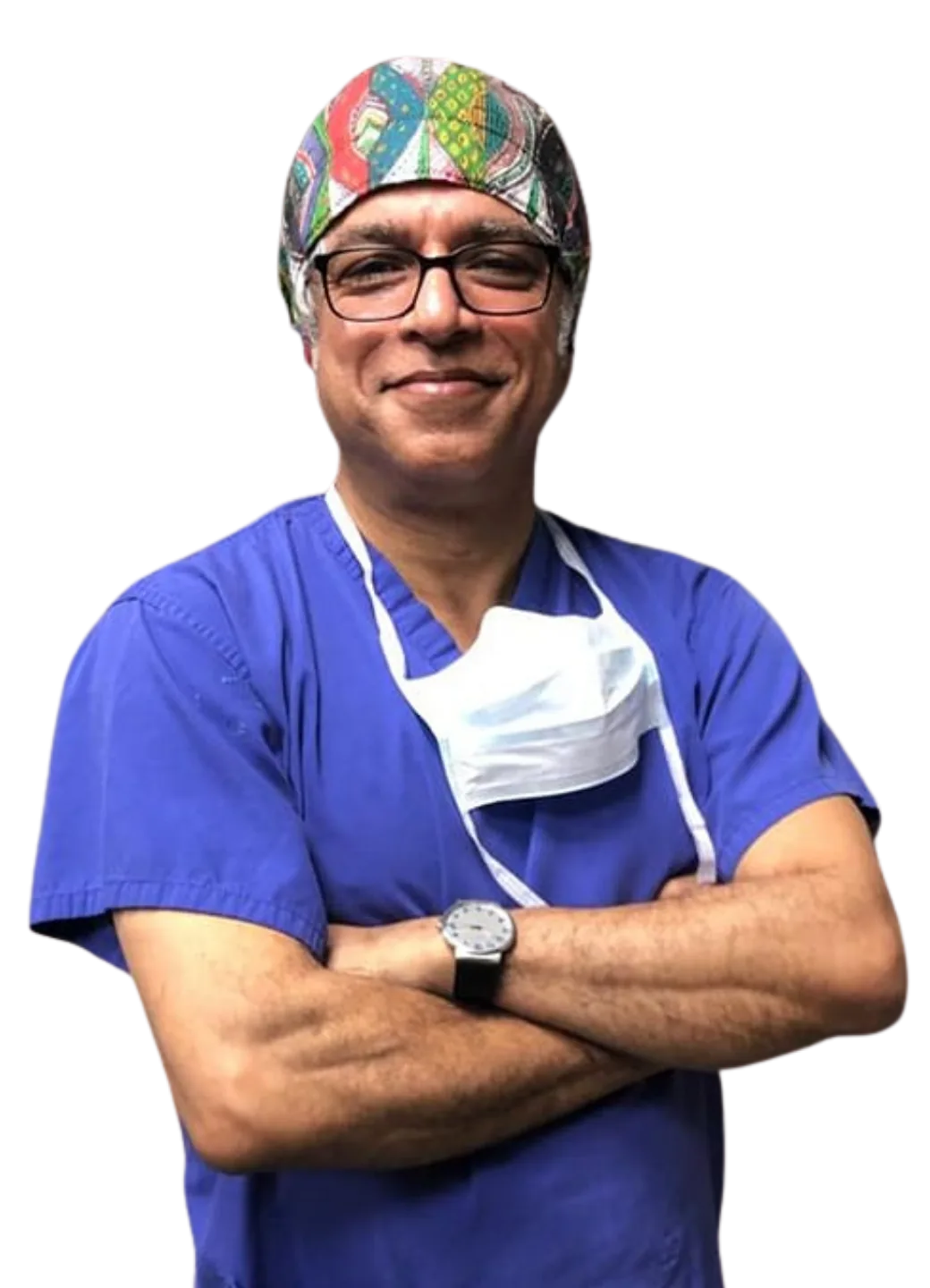
Professor Dr. S.M.G. Kibria

Upper GI · Lower GI · Polypectomy · Cancer screening

Professor Dr. SMG Kibria — Best Endoscopy & Colonoscopy Bangladesh
  • FRCS (England)
  • FRCS (Glasgow)
  • FRCS (Edinburgh)
  • FRCS (General)
  • MSc (Leeds)
  • MBBS (DMC)
The Procedure

What Is Endoscopy & Colonoscopy?

Direct visual examination of the digestive tract — the most accurate way to diagnose, treat, and screen for many GI conditions including cancer.

GI Endoscopy

Diagnose, treat & screen — in a single visit

A flexible endoscope with a high-definition camera and light passes through the mouth (upper GI) or rectum (colonoscopy) to inspect the digestive tract directly. Biopsies, polyp removal, bleeding control, and stricture dilatation can all be performed in the same session. The most accurate diagnostic and therapeutic tool in modern GI medicine.

  • 5–40 minsProcedure time
  • HD imagingHigh definition
  • Day caseHome in 2–3 hours
  • ComfortableConscious sedation
Indications

When You May Need a GI Endoscopy

Both diagnostic and screening indications are common. The following warrant assessment.

  • Persistent indigestion or heartburn — not responding to medication.
  • Difficulty swallowing — food sticking or pain on swallowing.
  • GI bleeding — vomiting blood, dark stools, or persistent rectal bleeding.
  • Change in bowel habit — new constipation, diarrhoea, or alternating, lasting > 4 weeks.
  • Unexplained weight loss — or unexplained iron-deficiency anaemia.
  • Family history of colorectal cancer — earlier and more frequent screening.
  • Age 45+ screening — average-risk colorectal cancer screening starts at 45–50.
  • Previous polyp follow-up — surveillance interval based on number and type of polyps.
Procedure Types

Types of Endoscopy Offered

Each procedure is tailored to the indication, performed with HD endoscopes and conscious sedation.

01

Upper GI Endoscopy (Gastroscopy)

Oesophagus, Stomach, Duodenum

Inspection of the oesophagus, stomach, and first part of the small bowel. Biopsies for H. pylori, coeliac, or cancer screening. 5–10 minutes under sedation. Diagnoses ulcers, gastritis, reflux disease, and cancers.

02

Colonoscopy

Complete Colon

Examination of the entire large bowel and last bit of small intestine. The single best test for colorectal cancer prevention. Polyps detected can be removed in the same sitting. 20–40 minutes under sedation.

03

Therapeutic Endoscopy

In the Same Sitting

Polypectomy, control of bleeding, dilatation of strictures, removal of foreign bodies, banding of varices — all performed during a diagnostic procedure when needed, avoiding a separate operation.

04

Sigmoidoscopy

Lower Colon

Limited examination of the rectum and lower colon. Useful for assessing bleeding from the rectum, ano-rectal symptoms, and inflammatory bowel disease. Often performed without sedation.

Procedure Day

What to Expect

Endoscopy and colonoscopy are typically day-case procedures. Here's how the day unfolds.

Day Before

Preparation

Upper GI: 6-hour fasting. Colonoscopy: clear fluid diet and prescribed bowel preparation. Stop blood thinners as advised. Arrange a companion to drive you home.

Procedure Day — Arrival

Check-In & Sedation

Arrive 30 minutes before. Pre-procedure assessment, IV cannula, conscious sedation administered. You'll be relaxed, possibly asleep, throughout.

During the Procedure

Diagnosis & Treatment

5–10 minutes for gastroscopy, 20–40 minutes for colonoscopy. Biopsies, polypectomy or other therapy in the same sitting. Continuous monitoring of vital signs.

After — Recovery

1–2 Hours Observation

Recovery in a quiet area until sedation wears off. Mild bloating from air settles within an hour. A snack and drink. Discussion of immediate findings with Prof. Kibria.

Days 1–3 — Histology

Results & Plan

Histopathology results from any biopsies/polyps in 3–5 days. Follow-up consultation to discuss results and surveillance plan. Most patients are back to normal activity the next day.

Frequently Asked

Endoscopy & Colonoscopy FAQs

Have another question? Send us a message.

What's the difference between endoscopy and colonoscopy?

Endoscopy examines the upper GI tract (oesophagus, stomach, duodenum) via the mouth. Colonoscopy examines the entire colon via the rectum. Each addresses different symptoms.

Is endoscopy or colonoscopy painful?

No — both are performed under conscious sedation. Most patients have no recollection of the procedure.

How do I prepare for a colonoscopy?

2 days before: low-residue diet. Day before: clear fluids and prescribed bowel preparation. Stop blood thinners and iron as advised. Clear bowel is essential.

When should I have a screening colonoscopy?

Age 45–50 for average-risk individuals, every 10 years if normal. Earlier and more frequently with family history of colorectal cancer or polyps.

What if a polyp is found?

Most polyps are removed during the same procedure (polypectomy) and sent for histological analysis. No separate operation needed.

How long does it take?

Upper GI: 5–10 minutes. Colonoscopy: 20–40 minutes. Plan on 2–3 hours total with sedation and recovery. Companion must drive you home.

Is sedation safe?

Yes — modern conscious sedation is very safe with continuous monitoring. Don't drive or operate machinery that day.

Where is endoscopy performed in Dhaka?

Performed at partner hospitals in Dhaka with full HD endoscopic equipment. Call +880 1711-402445.

Take the First Step

World-Class Surgical Care, Right Here in Dhaka

Whether you need a surgical consultation, a second opinion, or emergency care — Professor Dr. SMG Kibria and his team are here for you.