Laparoscopic Cholecystectomy

GALLBLADDER SURGERY IN BANGLADESH

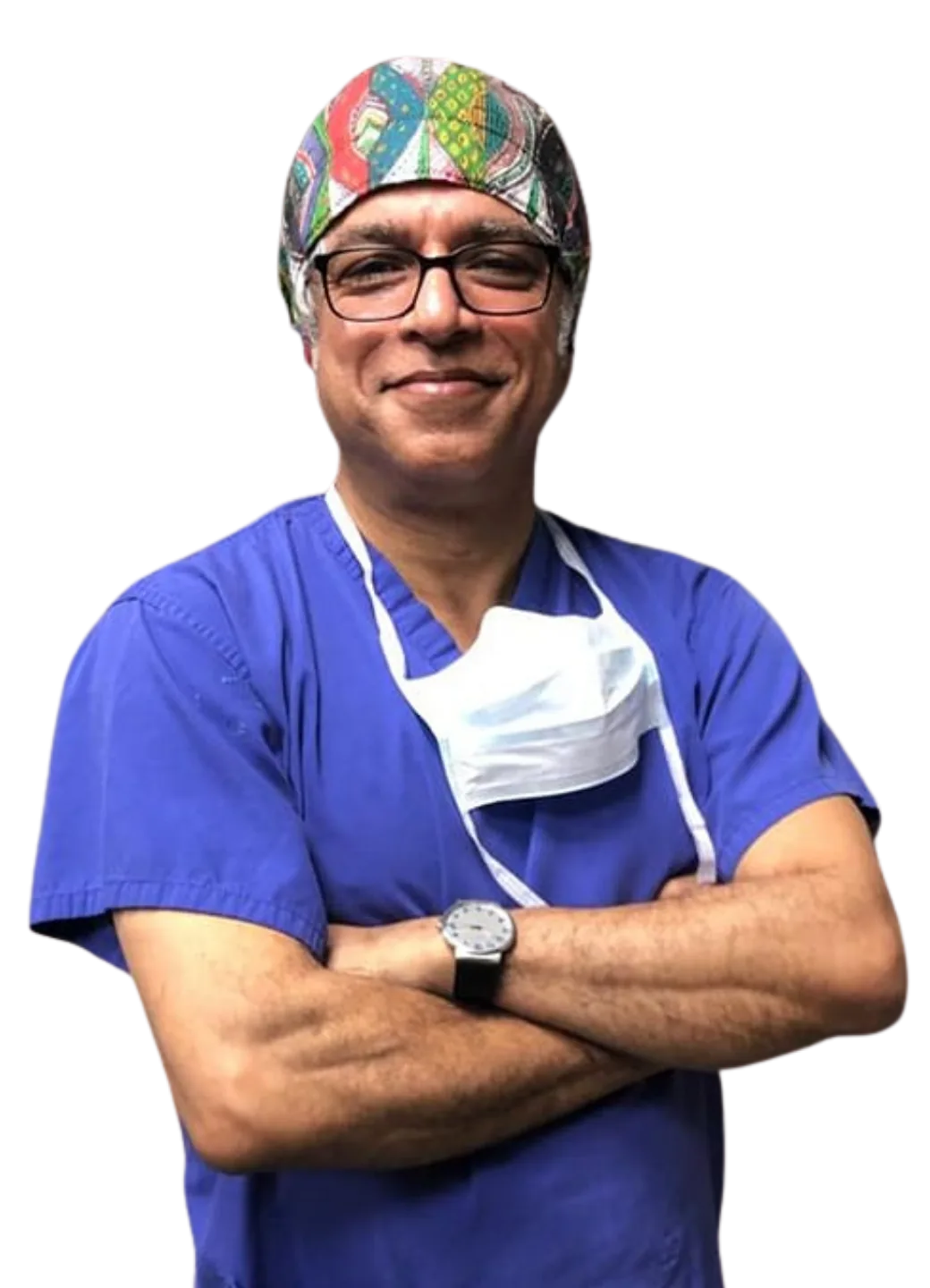
Professor Dr. S.M.G. Kibria

Keyhole surgery · Same-day discharge · 35,000+ procedures

Professor Dr. SMG Kibria — Best Gallbladder Surgeon in Bangladesh
  • FRCS (England)
  • FRCS (Glasgow)
  • FRCS (Edinburgh)
  • FRCS (General)
  • MSc (Leeds)
  • MBBS (DMC)
The Procedure

What Is Gallbladder Surgery?

A measured, modern explanation of the most common abdominal operation performed worldwide — and why it changes lives.

Cholecystectomy

The surgical removal of the gallbladder

The gallbladder is a small pear-shaped organ that stores bile beneath the liver. Removing it is the only definitive cure for symptomatic gallstones — and because the liver continues to produce bile, digestion stays normal. The vast majority of patients live without any dietary restrictions afterwards.

  • 30–60 mins Surgery duration
  • 3–4 keyholes 5–12mm incisions
  • Same day Hospital discharge
  • 99%+ success In experienced hands
Signs & Symptoms

When You May Need Surgery

Most patients are diagnosed after experiencing recurring abdominal pain, with gallstones confirmed on ultrasound. Surgery is recommended when one or more of the following are present.

  • Right upper abdominal pain — especially after fatty meals, often radiating to the right shoulder or back.
  • Biliary colic — sudden, severe pain lasting from 30 minutes to several hours.
  • Nausea, vomiting and bloating — chronic indigestion after meals, often with belching.
  • Fatty-food intolerance — pain or discomfort within an hour of eating fried or rich food.
  • Acute cholecystitis — gallbladder inflammation with fever, sustained pain and tenderness.
  • Jaundice — yellowing of the eyes or skin from a stone migrating into the bile duct.
  • Gallstone pancreatitis — pancreatic inflammation triggered by a migrating stone.
  • Gallbladder polyps over 10mm — these carry a malignancy risk and warrant removal.
Surgical Techniques

Types of Gallbladder Surgery Offered

Prof. Kibria selects the most appropriate technique for each patient based on disease severity, anatomy, and previous abdominal surgery.

01

Standard Laparoscopic Cholecystectomy

Gold Standard

The most common approach: 3–4 small (5–12mm) keyhole incisions through which a high-definition camera and instruments are passed. Operating time 30–60 minutes. Same-day discharge in the majority of cases. Minimal scarring.

02

Single Incision (SILS)

Scarless

Performed through one small incision hidden inside the umbilicus. Cosmetically near-invisible result. Suitable for uncomplicated gallstones in selected patients with appropriate anatomy.

03

Lap. Cholecystectomy with CBD Exploration

Complex Cases

For patients with stones in the common bile duct (CBD) in addition to the gallbladder. The duct is explored and cleared during the same operation — often avoiding a separate ERCP.

04

Open Cholecystectomy

When Indicated

Performed through a single small incision below the right rib cage. Reserved for severe inflammation, dense adhesions, or when laparoscopic completion is not safe — about 2–5% of cases overall.

After Your Surgery

Recovery Timeline

Most patients are surprised by how quickly they bounce back after keyhole gallbladder surgery. Here's the typical week-by-week timeline.

Day 0 — Operation Day

Surgery & Same-Day Discharge

30–60 minute laparoscopic procedure under general anaesthesia. Light liquids and a soft meal allowed 4–6 hours after surgery. Walking is encouraged the same evening. Most patients go home that night.

Days 1–3 — Home Recovery

Rest, Hydration & Gentle Walking

Light meals, regular pain relief, short walks around the house. Showering permitted after 24 hours. Most patients are off strong painkillers by day two.

Days 7–10 — Wound Review

Return to Office Work

Wound review with Prof. Kibria — dressings removed, healing confirmed, histopathology result reviewed. Sedentary office work and driving usually resumed.

Week 2 — Light Activity

Normal Diet Resumed

Walking, gentle stretching, near-normal diet. Fatty meals re-introduced gradually. No heavy lifting or core exercises yet.

Weeks 4–6 — Full Recovery

Unrestricted Activity

Heavy lifting, gym training, contact sports, long-haul travel — all resumed. Scars continue to fade over the following 6 months.

Frequently Asked

Gallbladder Surgery FAQs

Answers to the most common questions from patients considering gallbladder surgery in Bangladesh. Have another question? Send us a message.

Who is the best gallbladder surgeon in Bangladesh?

Prof. Dr. S.M.G. Kibria is widely regarded as one of the most qualified gallbladder surgeons in Bangladesh. He holds four FRCS fellowships (England, Glasgow, Edinburgh, and General), is registered with the General Medical Council (UK), trained and practised in the UK for 18 years, and has personally performed over 35,000 surgeries.

His laparoscopic gallbladder surgery success rate exceeds 99% with same-day discharge in most uncomplicated cases.

Is laparoscopic gallbladder surgery safe?

Yes — laparoscopic cholecystectomy is the gold-standard treatment for symptomatic gallstones worldwide. In experienced hands the procedure is extremely safe, with major complication rates under 1% and a mortality rate well under 0.1%.

Recognised risks include bleeding, infection, bile duct injury, and conversion to open surgery — all minimised by an experienced operator and a careful pre-operative work-up.

How long is the recovery after gallbladder surgery?

Most patients are discharged the same day or the morning after surgery. Office work can usually be resumed within 7–10 days, light physical activity by week 2, and full unrestricted activity — including heavy lifting and contact sports — at around 4 to 6 weeks.

Driving may be resumed once you are off all opioid pain medication and can perform an emergency stop without pain.

Can I avoid gallbladder surgery?

If you have symptomatic gallstones, surgery is the only definitive treatment — medical dissolution therapy has poor success rates and a very high recurrence.

However, asymptomatic gallstones discovered incidentally on ultrasound generally do not require surgery in average-risk adults. The decision is individualised based on stone size, number, your overall health, and risk factors for gallbladder cancer.

Will I need to change my diet after gallbladder removal?

Most patients return to a normal diet within 1–2 weeks. For the first two weeks we recommend a low-fat diet, small frequent meals, and avoiding fried or very greasy food.

After that, the liver compensates for the missing gallbladder and the vast majority of patients eat completely normally for the rest of their lives.

How do I know if I need gallbladder surgery?

Common signs include recurrent right-upper abdominal pain (especially after fatty meals), pain radiating to the right shoulder or back, nausea, vomiting, bloating, and fatty-food intolerance.

If gallstones are confirmed on ultrasound and you have any of these symptoms, surgery is usually recommended. Urgent surgery is required for acute cholecystitis, gallstone pancreatitis, or gallbladder gangrene.

Laparoscopic vs. open surgery — what's the difference?

Laparoscopic (keyhole) surgery is performed through 3–4 small incisions of 5–12mm with a camera and slender instruments. Open surgery uses a single 10–15cm incision below the right rib cage.

Laparoscopic offers dramatically less pain, faster recovery (days vs. weeks), better cosmetic result, and fewer wound complications. Open surgery is reserved for cases where laparoscopic surgery cannot be safely completed.

Where does Prof. Kibria perform gallbladder surgery in Dhaka?

Prof. Kibria consults at two chambers in Gulshan, Dhaka:

Lake View Clinic — House-05, Road 79, Gulshan-2, Dhaka 1212.
SMG Kibria Foundation — Ta-97, 5th Floor, Middle Badda, Gulshan, Dhaka 1212.

Surgeries are performed at leading partner hospitals in Dhaka with full laparoscopic theatre facilities. To book a consultation, call +880 1711-402445 or request an appointment online.

Take the First Step

World-Class Surgical Care, Right Here in Dhaka

Whether you need a surgical consultation, a second opinion, or emergency care — Professor Dr. SMG Kibria and his team are here for you.